How a Rehomed Working Dog Changed Erin’s Life

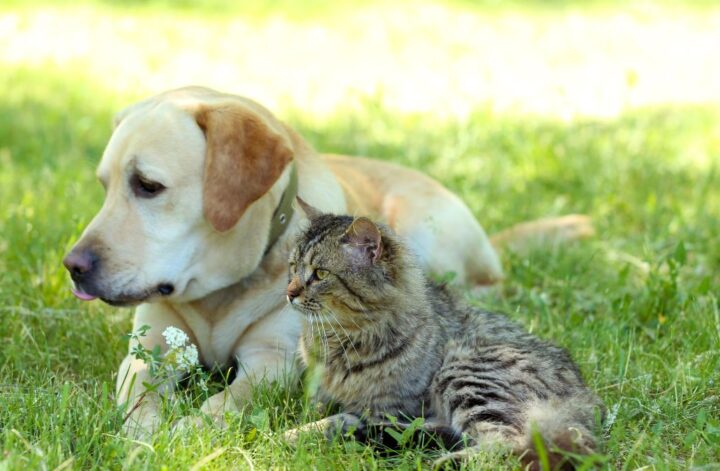
A labrador with a tabby cat lying on grass

Erin Hieret never thought she’d become a dog person. For most of her life, she had been firmly in the cat camp. Cats suited her—independent, low-maintenance, and, as she put it, “just as happy to ignore you as they are to sit on your lap when THEY want it and not you.” She had fostered dozens over the years, always finding joy in helping them adjust before they found their forever homes. Where there’s fostering, there’s foster failing too.

So at the time when this story begins, she had one adult, one senior cat, and a wobbly kitten with a neurological disorder that nobody wanted to adopt.

But when a photo of a Labrador named Benny popped up on her Twitter, something shifted.

Benny wasn’t a random dog. He was a former guide dog, retired before his time due to a traffic accident that led to the amputation of one of his legs. No longer able to fulfill his duties, Benny was up for rehoming.

Erin wasn’t even looking for a dog—she was perfectly content, even a notch overwhelmed, with her three cats—but something about his face in that photo stuck with her. “Now that I think about it, I guess it was the smile and a general joie de vivre about him, despite what he’d been through recently,” she tells us in an email interview. The attitude is so fundamentally different from what she knew and loved in cats, who are generally unimpressed most of the time. Or at least act like it!

A week later, she found herself filling out the adoption form.

The Learning Curve

Bringing Benny home was an even bigger adjustment than Erin had anticipated. “I thought I knew animals,” she laughs, “but dogs are a whole different ballgame.” Cats, she quickly realized, didn’t require the same level of attention or structure. “Don’t get me wrong. I’m not complaining, but I couldn’t help but notice that three of my cats, two of whom are either senior or disabled, are less work than one dog!”

Lesson number one: dogs thrive on routine, and Benny was no exception. This area is no different than cats, though.

“He was used to having a job,” Erin explains. “Every morning, he’d be up and ready, looking at me like, ‘Alright, where are we going first?'” At first, she found it overwhelming. She wasn’t used to the early morning walks or the way Benny seemed to need constant interaction despite his lacking a hind leg. But as time went on, she realized that this routine of activity wasn’t just good for him—it was good for her too.

“I had to become more organized, and it got me out of the house more,” Erin says. “I didn’t realize how much I was missing out on simple things, like taking a walk in the morning. Benny got me moving, and I started to look forward to it.” Cats just aren’t like that. With them, it’s lounging all day long and frolicking in the evenings or at night.

Of course she was afraid how the cats would accept him and vice versa. At first, they weren’t too sure about Benny. Her senior cat, Muffin, was especially skeptical, keeping her distance and giving him the side eye from her favorite spot on the book shelf. The adult cat, Jasper, was more curious but cautious, circling Benny whenever he would lie down.

But the biggest surprise was her wobbly kitten, Twix. To everyone’s surprise, this little guy was the first to make friends with Benny. Benny seemed to understand Twix’s unsteady movements and would lie down beside him, as if offering quiet support. Slowly, even Muffin and Jasper warmed up to Benny’s gentle, patient presence. Before long, all three cats would join him on his doggie bed, and Benny would gently wag with gratitude.

Admittedly, there was gratitude to be had. After all, they didn’t butt him out of his own bed, which is quite generous for cats, who can be ferociously jealous and territorial!

“What’s particularly funny is the fact that my adult cats, who are perpetually in war with each other, get calmer and more philosophical when he’s around. Being an elderly lady and a figure of authority, Muffin is constantly lording it over Jasper, who doesn’t want to give up his place in the hierarchy since he was here before her. But when Benny’s around, the hostilities seem to cease at least for a little while. I think it’s because Benny has this doggy attitude that doesn’t have a shred of arrogance. Muffin looks a bit bewildered at it, but she has learned to respect it.”

How to Keep Him Engaged?
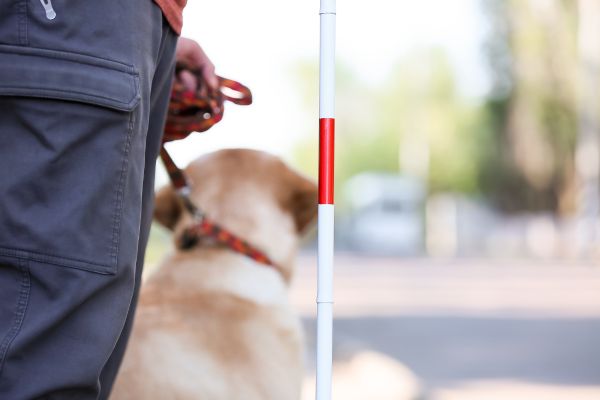
A labrador guide dog looking away

Because Benny was trained as a guide dog, he had a strong work ethic and loved having tasks to complete. Losing his leg meant he could no longer perform the duties he was trained for, but that didn’t stop his instinct to stay busy. Erin had to find ways to keep him stimulated, despite his physical limitations.

“We started small,” she recalls. “I’d hide treats around the apartment, and he’d sniff them out. It was a little game we played, and it made him light up.” Over time, she started to take him to nearby parks, where they’d explore at their own pace. “It was amazing to see how he adapted,” she adds. “He was just as curious and engaged as any four-legged dog, and seeing his enthusiasm made me want to find more ways to keep him happy.”

One of the challenges Erin faced was understanding Benny’s limitations without treating him like he was fragile. “There’s this fine line between being cautious and overprotective,” she admits. “At first, I was so worried about his leg—I didn’t want him to overdo it. But I learned that he knew his limits better than I did. He’s a resilient guy.”

The Unexpected Impact

Adopting Benny didn’t just teach Erin about dogs; it also opened her eyes to the power of resilience. Benny had gone through so much, yet he remained joyful, adaptable, and loving. “If he can keep smiling through everything he’s been through, it makes my bad day at work seem small,” she reflects.

Luckily, her work at a small Sydney driveway cleaning business is flexible and allows her to pop back home whenever there are no appointments. Still, it even feels easier to leave them all alone now that Benny’s around.

Initially, she thought to bring him along to work or even job sites, if only to avoid potential conflicts. But she quickly realized it wasn’t necessary.

The Road Ahead

Today, Erin and Benny are inseparable. Whether it’s a walk through the park or a lazy afternoon on the couch, they’ve found their rhythm. “He’s not just a dog,” she says. “He’s the best friend I’ve ever had. Sorry cats, I love you for completely other reasons, but it’s true!”

Adopting Benny wasn’t in Erin’s plan. But sometimes the best things happen when you least expect them. Benny may have lost a leg, but he gained a home and a person who loves him deeply—and in turn, he’s helped Erin grow in ways she never thought possible.
Continue Reading

Dogs on Job Sites: How to Ensure Safety While Maximizing Morale

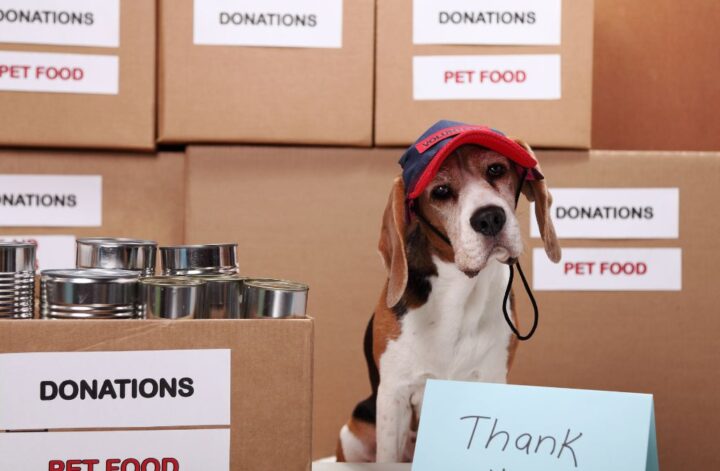
A cute beagle volunteering to get donations

Dogs have been long-time companions to humans, and their roles have expanded far beyond just being pets. From therapy dogs to search-and-rescue units, they offer a unique skill-set that goes beyond wagging your worries away. On job sites—especially those outdoors or in nature—their presence can be a game changer, boosting morale and even contributing to safety measures.

But bringing dogs into a work environment isn’t just joy and laughter. So how do you keep both the dogs and workers safe while making sure the experience remains positive for everyone involved?

Why You’d Want to Bring a Dog Along

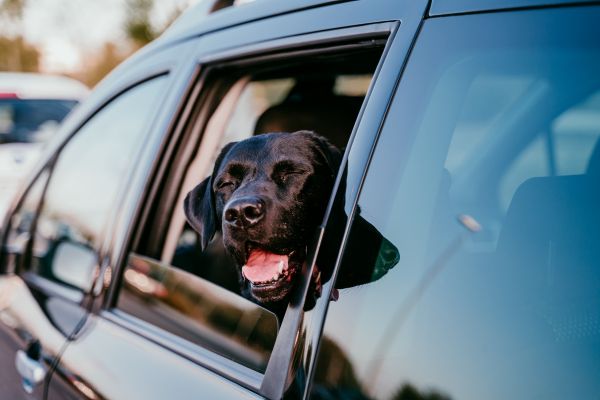
A black labrador peeking out the window and smiling
Hint: Not (just) because it’s cute!

Whether it’s a construction area, an arborist’s workspace, or a landscaping project, these environments can be stressful and physically demanding. Dogs have a natural way of easing tension, creating a sense of calm, and lifting spirits. For teams that spend long hours working outside, having a friendly face (or wagging tail) to greet them can make a real difference.

But it’s not just about benefits for us. Sometimes, this kind of engagement can make a welcome change for the dog too, especially now that they are no longer on duty.

George Pennisi, an arborist who makes a living doing tree trimming in Brisbane, knows this well. He adopted a labrador named Bobo, who used to work as an occupational therapy dog with children. “Bobo’s got this way about him—no matter how tough the job gets, he’s there wagging his tail, and it’s like everything’s a bit brighter,” Pennisi shares. “I spend a lot of time in nature with my kids, and I can see how much Bobo enjoys being part of that. He’s just as happy tagging along while we work.”

It’s all the more endearing when you know that the main aspect of Bobo’s former job had to do with emotional intelligence and supporting the vulnerable. That there’s so much personality and generosity left in him after such long and pervasive commitment is touching. “Of course my preschoolers are his absolute favorites, and he made it his mission to take an active part in their upbringing. Still, I have a feeling he had really missed nature and random doggily foraging! It’s like he’s now getting to vent out and finally do things he had wanted to but that had to be neglected for so long.”

Safety Comes First

Of course, safety is a top priority when dogs are on the job. Job sites are often busy places with heavy machinery, sharp tools, and other potential hazards. While having a dog can boost morale, it’s essential to keep them (and the workers) safe. So how can you protect your unassuming yet overtly eager furry co-worker?

One key tip is setting boundaries. Create a designated safe zone where the dog can relax and stay out of harm’s way. This space should be far from any equipment or areas with active work going on. It can be as simple as a shaded spot with a bed and fresh water, giving the dog a comfortable place to hang out while the team works. Or a fenced part of the backyard, which is what Pennisi does when the circumstances allow.

Another crucial step is using the basic commands like “stay” and “come,” which any working dog will have mastered long ago. This way, they can be called back to their safe spot if things get too busy or if a dangerous situation arises. For example, if machinery needs to move through the site, the dog should be trained to return to their designated area.

Not Every Site is Right for Dogs

Think about the level of activity and the potential hazards before bringing a dog on board. Some sites with a lot of heavy traffic or high-risk tasks may not be the best fit. In these cases, consider whether there are quieter periods when a dog might be able to join the crew safely.

It’s also important to consider the type of dog. Larger breeds might find it easier to navigate a busy site, while smaller dogs could get overwhelmed or injured more easily.

Of course, the dog’s temperament matters too. Some dogs thrive in bustling environments and love being around people, while others might be more anxious in such situations.

Pennisi mentions how Bobo’s background as a therapy dog made him a perfect fit for their work environment. “He’s used to being around a lot of people and knows how to stay calm even when there’s noise or activity. That training really helps out here—he’ll sit quietly until it’s time to explore again, and he’s got this natural awareness of when to stay out of the way.”

It’s Not Just the Dog. Your Team Needs Training Too

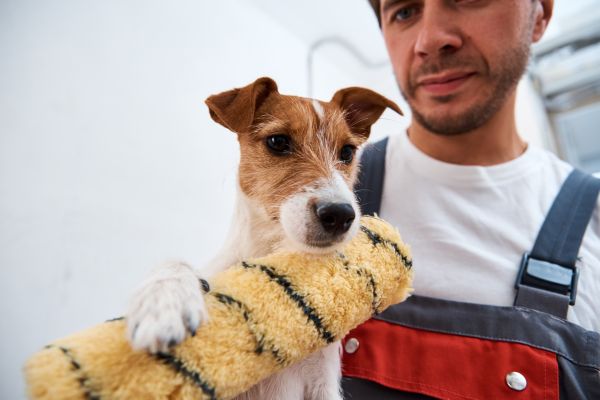
A working man and a Jack Russell on job site

Bringing a dog into the workspace isn’t just about training the dog. It’s also about making sure the team knows how to interact with them safely.

Educate workers on basic dog behavior and signals—like when a dog is feeling stressed or needs space. This can help prevent accidents and ensure that everyone, including the dog, is comfortable.

Set ground rules for engagement. For instance, workers should know not to feed the dog from the job site, as it could encourage bad habits or lead to health issues. And while petting and playtime are great for boosting morale, it’s important to do it in a way that doesn’t distract anybody from the work at hand.

Enter a Treat (or Two)? Here’s Why Not.

Remember, job sites can be unpredictable, and the experience should remain positive for the dog. Pay attention to their comfort levels—if they seem uneasy or overwhelmed, it might be time for a break. Also, make sure they have all the essentials, like water, food, and a shady spot to rest.

Dogs that come from working backgrounds may still have the drive to stay active, so giving them tasks that engage their minds can help them feel involved. Simple fetch games during breaks or even training exercises can be great ways to keep them stimulated without putting them in harm’s way.

Pennisi sometimes brings his kids along to the job site, and they love spending time with Bobo when he’s not working. “It’s become a bit of a family thing—Bobo gets his time with the kids, and they all enjoy the outdoors together. It’s the best of both worlds.”

But contrary to what you may expect, we don’t actually advise treats. The role of treats is to positively reinforce a behavior. In this case, let the dog gauge and feel out their own enjoyment (or lack thereof) at the site. If there isn’t enough of it, the dog should feel free to stay at home.

Continue Reading

How to Care for Retired Working Dogs & Give Them the Life They Deserve

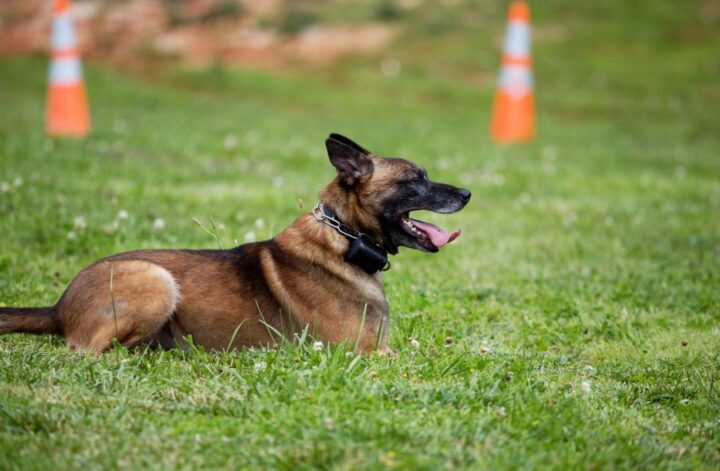
A K9 German shepherd is resting on grass between two traffic cones

If dogs could speak, they’d likely tell us one thing—that retirement is equally important to them as it is for us. Especially if they’ve dedicated their lives to working in law enforcement, military, or even private security roles.

In fact, it’s not just important. It would likely have been something they’d be looking forward to if they were able to voice it. Like ours, their health and capabilities declines with age.

Also like us, they need more and more peace and quiet as they get older, even if they don’t really feel like it. These dogs give their all to the job, and when it’s time for them to step down, they deserve nothing less than the very best care and attention.

But shifting from an active, working lifestyle to a more relaxed one isn’t always easy for retired working dogs. The change won’t come of its own, so they need a bit of help to adjust. It takes some understanding, a good dose of patience on our part, and a bit of creativity. After all, they are creatures of routine. So if a particular routine stops being beneficial for them, they’ll need another one to take its place, and that takes time and work.

So, what’s the best way to give a retired working dog the happy life they deserve? We’ll put together a basic, non-exhaustive list of must-dos that are applicable to all dogs. Feel free to expand it based on your new family member’s breed and background!

1. Acknowledge and Respect Their Background

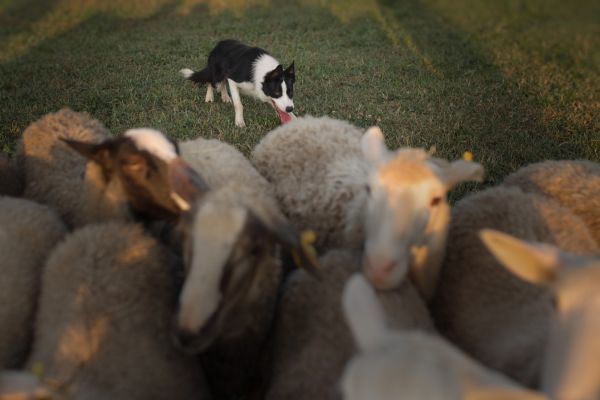
A border collie at work with several sheep in the foreground

The first thing to keep in mind when adopting a retired working dog is that their training—and most of their habits—are here to stay for as long as their bodies can keep up.

In fact, they’ve been trained for very specific tasks. Be it sniffing out substances, assisting with arrests, or patrolling crowded spaces, they’ve been following strict routines day in and day out, for years. That’s why they might find it hard to settle into a slower, more laid-back pace. Even when they’re off the clock, their natural urge to stay active and busy doesn’t just disappear with a snap of a finger.

In other words, they can’t magically turn into non-working dogs just because you know that they need a break.

To gain a deeper insight, we talked to several people who have adopted working dogs. One of them, Jai Erlikilyika, a longtime dog lover who makes a living by doing roof repairs on the Central Coast of NSW Australia, gave a home to Max, a retired Malinois who had spent five years as a K-9 police dog. Max’s service career should have lasted at least 6-7 years but was cut short with early symptoms of hip dysplasia. “I’ve owned two Malinois before and hip issues are typical for the breed, really. Max was already a bit weak in his legs when he came to me. But he still had this sense of purpose, expecting in a way to go on the job every day,” Jai recalls. “It’s incredible how orderly his life obviously used to be. What surprised me, however, it wasn’t like he was used to working all the time. But you could see how he was attentive at all times, even when physically idle.”

As you keep your dog’s background in mind, however, it’s equally important to get rid of prejudice. Jai admits to have been equally touched and confused with Max’s affectionate nature. Asking for cuddles and licking your palm isn’t something you’d expect in a big, bad police dog! As it turns out, it’s a common misconception that these dogs only thrive on work. “I met with his ex-handler a couple of times since, and he told me that they commit significant time to socializing the dogs. So yes, petting and cuddling are actually desirable.”

Another person we’ve talked to, who doesn’t wish to be named, has adopted a Border Collie who used to work on a farm. “Luckily, I live in the country. So she has lots of freedom to move around our big yard. Maybe nowhere near as much as she used to, but it’s there all the same. There’s even a gaggle of geese for her to keep an eye on!”

These two accounts go to show that, while retired, working dogs often retain a strong sense of purpose. They need outlets for their habits or energy, but they also need to rest and enjoy their well-earned retirement.

2. Keep Them Active Without Overworking Them

Retired working dogs may no longer be chasing down suspects or tracking missing persons, but that doesn’t mean they want to lounge around all day. Physical activity is crucial, but it’s about finding the right balance. Too little exercise, and they can get restless or anxious. Too much, and you risk joint or muscle issues, especially as they age.

A good rule of thumb is to start slow and see how they respond.

Regular walks, light runs, and even low-impact activities like swimming can help keep their bodies and those big busy minds in shape.

Still, you don’t have a Jack Russell, so it’s not all about running around in circles. You’d do well to consider enrichment activities that mimic some of their working tasks, like scent games. Hide treats or toys around your home or yard, and let them use their nose to find them. It’s fun for them and keeps their sharp skills engaged without overdoing it.

Jai shares one peculiar challenge with Max. “At first, Max had this habit of leaping onto the my truck whenever I’d get my gear ready for work. He was so used to being ready for action that he thought he was coming along for the job. It took some time, but I eventually trained him to wait by the house instead. But you know what? He still has that alertness, like he’s guarding me.”

The nature of his work doesn’t allow Jai to bring Max along. But if yours does, that’s a good idea too. And one that’s chock-full of benefits both for the pooch and the workplace!

3. Adjust Their Diet for Retirement

All of their active lives, working dogs are typically fed a high-protein, high-energy diet to support their physically demanding jobs. But once they retire, they won’t need the same level of calories or protein intake.

Transitioning to a balanced, lower-calorie diet is a good way to manage weight and avoid health issues as they get older. It’s always a smart move to check with your vet to make sure you’re feeding them the right type of food based on their age, breed, and how active they are now.

Keeping an eye on their weight is also important. With retirement often comes a slower pace, and that can sometimes lead to a few extra pounds. The goal is to keep them fit and healthy without overfeeding, so they stay in great shape during their golden years.

4. A Healthy Mix of Routine and Mental Stimulation

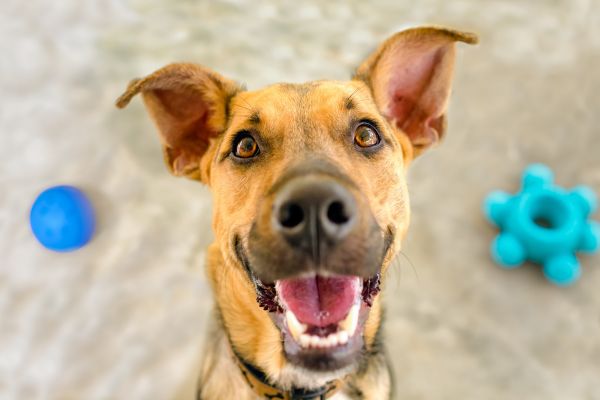
A happy dog surrounded with toys

We’ve said it already: retired working dogs thrive on routine. Without the structure they’re used to, they can sometimes become bored or even a bit down. To help them adjust, it’s helpful to keep a consistent schedule but with a bit more room for rest.

Set regular times for meals, walks, and other activities, and try to stick to them. Puzzle toys or treat-dispensing games can also be great for keeping their minds busy. These activities mimic the problem-solving they did in their working days, keeping them mentally sharp and engaged, even as they settle into retirement.

Jai found this to be a lifesaver with Max. “It wasn’t enough just to give him physical exercise,” he says. “I had to challenge him mentally too. We play these games where I’ll hide treats around the yard, and he has to sniff them out. It gives him a job, you know? He needs that purpose.”

5. Regular Vet Checkups Are Non-Negotiable

Retirement doesn’t mean your dog is done working, and it certainly doesn’t mean they’re done seeing the vet. In fact, regular checkups are even more important as your dog ages. Senior dogs often face a variety of health issues, from arthritis to dental problems, and the sooner these are addressed, the better.

It’s also worth noting that working dogs may have picked up injuries or wear and tear during their careers that could flare up later in life. Routine vet visits can help catch these issues early, giving your dog a better quality of life in retirement.

6. Love and Patience Above All Else

Caring for a retired working dog is not just about managing their physical and mental needs—it’s about giving them the love, patience, and understanding they deserve after years of service. These dogs often form deep bonds with their handlers, and transitioning to a new home can be a big change for them. Be prepared for a bit of an adjustment period.

Jai sums it up best when he talks about Max’s journey from a K-9 officer to a couch potato. “He’s a bit rough around the edges, but he’s loyal as ever. It took time for both of us to figure out this new life. But once you see them happy, you know it’s all worth it.”

Conclusion

Adopting a retired working dog comes with its own set of challenges, but the rewards are immense. These dogs have given their best years to serve others, and in return, they deserve to spend their golden years in comfort, surrounded by love and care. With the right balance of activity, mental stimulation, and attention to their health, you can give your retired working dog the life they truly deserve.

So, if you’re considering adopting one of these amazing dogs, get ready for a loyal companion who will appreciate every moment of their retirement—and every bit of effort you put into making it special.

Continue Reading

Benefits of Having a Dog in Your Workplace

dog next to a woman who is currently working

In recent years, more and more Australian companies are embracing the idea of bringing dogs into the workplace. Some workplaces have gone one step further and have adopted resident dogs, not just visitors. As employers seek innovative ways to boost morale, foster collaboration, and improve employee well-being, allowing dogs in the office is gaining traction. From reducing stress to enhancing company culture, the benefits of having a furry friend at work are numerous and impactful. While the benefits are enormous, it’s important to think about challenges too.

Improved Employee Morale and Happiness

One of the most significant benefits of having dogs in the workplace is the immediate boost in employee morale. Dogs have a unique way of bringing joy and light-heartedness to even the busiest office environments. Their playful nature and unconditional affection can lift the mood and reduce workplace tension. Interacting with dogs during breaks provides employees with a sense of relief, improving their overall happiness.

Multiple studies have shown that workplaces that allow pets see higher levels of employee satisfaction. When employees feel happier and more relaxed, they are more likely to engage positively with their work and colleagues, creating a healthier work environment for everyone.

dog lying down next to a laptop

Enhanced Team Collaboration and Communication

Dogs don’t just benefit individuals; they can also enhance team collaboration. Dogs naturally draw people together. They act as icebreakers, encouraging employees to engage in casual conversations that might not have happened otherwise. These interactions help build relationships, which can foster better communication and collaboration among team members.

When people take the time to bond over a shared love of dogs or simply enjoy the presence of a playful pup, it helps break down communication barriers and promotes a more cohesive team dynamic.

Reduced Stress and Improved Mental Health

One of the most well-known advantages of having dogs in the workplace is the reduction of stress. Studies have demonstrated that spending time with dogs can lower cortisol levels (the hormone responsible for stress) and increase oxytocin (the “love hormone”), which helps people feel calmer and more relaxed. This leads to improved mental health and a reduction in anxiety.

In addition to mental health benefits, employees are more likely to experience improved well-being when they have access to dogs throughout their workday. In high-pressure environments, having a dog nearby can serve as a natural way to manage stress and regain focus.

Increased Productivity and Focus

Contrary to the belief that dogs might be a distraction, they can actually help boost productivity. Taking a short break to interact with a dog allows employees to clear their minds, which helps them return to their tasks with renewed energy and focus. These brief mental breaks can enhance creativity and problem-solving abilities, making it easier for employees to tackle their work efficiently.

By creating an environment that supports breaks for pet interaction, companies can help reduce employee burnout and encourage healthier work habits.

Attracting and Retaining Top Talent

In today’s competitive job market, unique workplace perks can make all the difference when it comes to attracting top talent. Offering a pet-friendly environment can be a highly attractive feature for potential employees, especially pet owners who struggle with the logistics of leaving their furry companions at home for long hours.

Moreover, employees who are offered this kind of flexibility are more likely to stay with the company long-term. A pet-friendly policy can foster loyalty by showing that the company values employee well-being, helping retain talent in a way that other benefits might not.

Encouraging Physical Activity

Another benefit of having dogs at work is the increase in physical activity. Dogs need regular walks, and employees with dogs are more likely to step away from their desks for some fresh air and light exercise. These breaks can lead to better physical health, reduced fatigue, and improved mood.

Physical movement during the day also boosts mental clarity and creativity, so those short dog walks can lead to enhanced work performance.

Creating a Positive Company Culture

Allowing dogs in the office contributes to a more relaxed, inclusive, and positive work environment. It creates a culture where employees feel more comfortable, which can increase job satisfaction. Pet-friendly workplaces often have a unique atmosphere, reflecting the company’s values of flexibility, well-being, and trust.

This culture can also extend to clients or visitors, giving the company a more welcoming and approachable feel. In a competitive market, having a pet-friendly policy might set a business apart as one that truly cares about the happiness of its employees.

Potential Challenges to Consider

While there are many benefits to having dogs in the workplace, it’s important to acknowledge potential challenges. Not everyone may be comfortable with dogs, whether due to allergies, phobias, or simply personal preference. Employers need to set clear guidelines to ensure that all employees feel safe and comfortable.

Creating designated areas for dogs, setting behavioural standards, and respecting the needs of employees who may not be dog lovers can help address these concerns. Thoughtful planning and open communication will ensure that a pet-friendly policy works for everyone involved.

Conclusion

The benefits of having a dog in the workplace extend far beyond just making the office more fun. From boosting employee morale and productivity to fostering better communication and improving mental health, the positive effects are undeniable. By thoughtfully implementing a pet-friendly policy, companies can create a healthier, happier, and more connected workplace culture, where both employees and their four-legged friends can thrive.

Continue Reading